Home/ R/Dream Meaning of Reciting Adhan
Dream Meaning of Reciting Adhan
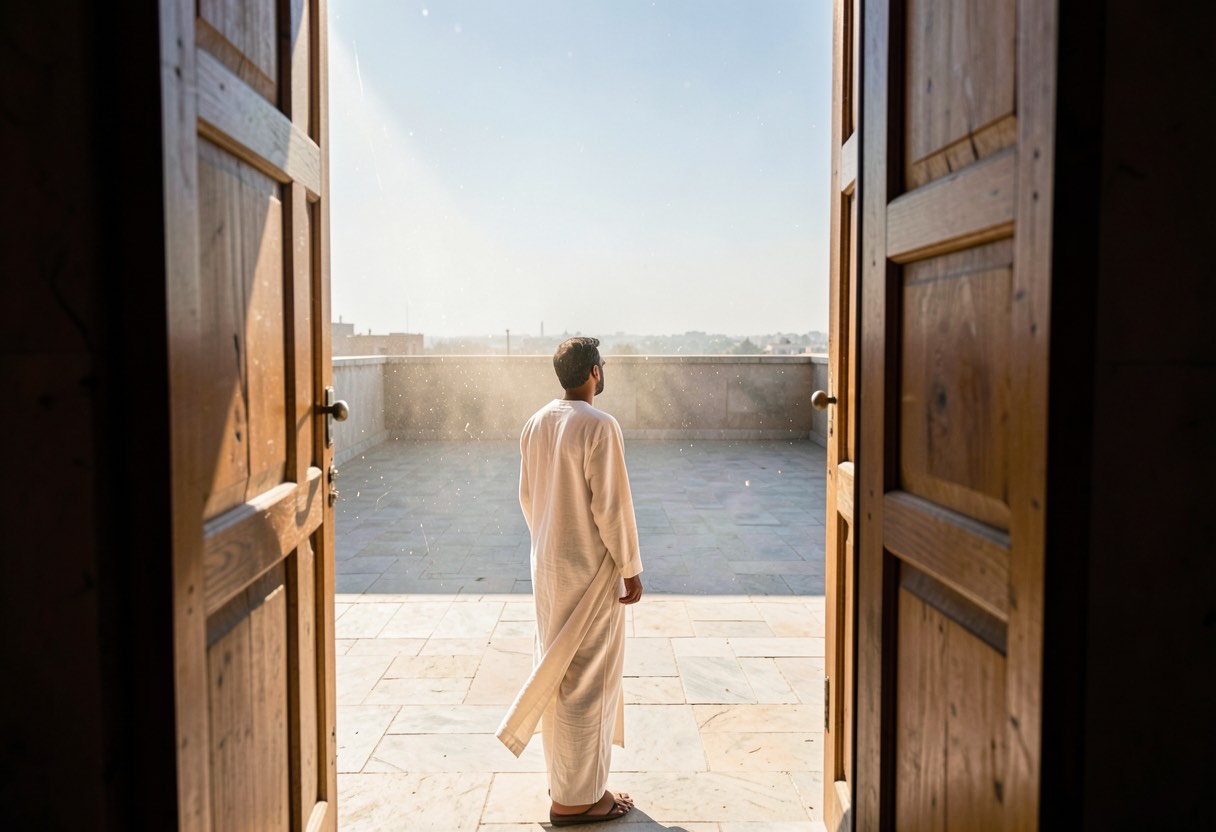
The adhan, the Islamic call to prayer, is a powerful symbol in dreams. It is generally a sign of being summoned to truth, of good news, and of one's standing in the community. Yet whether the dream is favourable or ominous depends greatly on where the call is made, who makes it, and how it is delivered.
Reciting in a Known Place
If you recite the adhan in a place you know, the classical commentators read this as a promise that you will be shown the Kaaba, meaning a pilgrimage to Mecca is within your reach. The same vision is also taken to mean that your words will be listened to and that you will rise to a respected station. When the setting is unfamiliar or entirely unknown, the omen changes and is usually considered unfavourable, pointing to deeds or paths that are better avoided.
Reciting from a Minaret or High Place
To stand on a minaret and give the call is one of the more hopeful versions of this dream. It says that you are, or soon will be, someone who invites others to worship and goodness, and that your reputation will carry as far as your voice can reach. If you feel unworthy of such a role, the dream warns that rivals will multiply, though you will still overcome them. A mountain top carries a similar meaning, often tied to speaking honestly about a person of importance, while climbing a minaret can mean attaining a great office.
Reciting at Home or in Bed
Reciting the adhan while lying in bed is a warning about your treatment of your family. It suggests that you despise your wife and children, look down on them, or behave toward them with cruelty, and it urges you to mend your ways. Calling the adhan at your doorstep is a much graver sign, often interpreted as the approach of your own death. In the middle of the house, the same act points to the death of a very close relative, and on the roof it speaks of a loss within the household.
Reciting in Streets, Markets, and Unclean Places
When the adhan is recited in a street or marketplace, the usual reading is financial hardship, and for a merchant it may mean bankruptcy. Some interpreters, however, see this scene as a sign of a pure life and a lawful livelihood, so the dreamer's own circumstances should decide. A pit, a well, or any deep place changes the meaning to hypocrisy and sowing discord. A bathhouse or hamam indicates religious weakness, though it has also been read as a warning of fever. In a ruined place, the call to prayer becomes a promise of restoration, with the site rebuilt and crowded with people.
Reciting Incorrectly, Mockingly, or in Strange Tongues
The manner of the call matters as much as the place. If you recite the adhan facing away from the qibla, or in a language other than Arabic, the dream points to false reports, public confusion, and the spread of harmful rumours. It can also mean that you are drifting into innovation. Changing the words, adding to them, or leaving parts out suggests you will claim something you do not deserve, or that you will treat others unjustly to the same degree. To recite the adhan mockingly, as if singing or playing, is a dangerous sign, often read as a warning of early death or of being accused of theft along with innocent companions.
Hearing the Adhan and Praying with the Congregation
Hearing the adhan and listening to it with a quiet heart is an encouraging dream. It promises a high position, a good name, and that your instructions will be obeyed. For a single person it can mean marriage to a good spouse, and if the dream occurs during the pilgrimage months, it points to hajj. Joining a congregation in prayer after the call brings further good, and for someone in prison it can mean release. Reciting the iqama, the second call that starts the prayer, is read as the fulfilment of a wish, an end to anxiety, and relief from trouble.
Children, Women, and Unusual Circumstances
A child's adhan is a mixed symbol. The older interpreters say it means the parents will face slander and false accusations, while a later tradition holds that it clears them of such charges. When children recite the call at the wrong time, the dream can reflect disorder in public life, suggesting that power will fall into ignorant hands. A woman giving the adhan from a minaret is an ill omen for the region, often said to herald a grave event or a harmful religious innovation. If you call the adhan and no one answers, the dream may say that you belong to a people who have turned away from justice.
In the end, the adhan in a dream is rarely neutral. It calls you to examine your intentions, your standing, and your treatment of others. Whether it brings news of a pilgrimage, a warning of loss, or a summons to truth, it asks you to listen.
Comments
No comments yet. Share your dream below.